01
Planning and Scope Definition
We define the priority scope, likely phasing, and key site conditions before they affect cost or programme.
Professional support for the planning, sequencing, budget control, and close-out decisions that shape a well-run renovation.
Our solutions focus on the planning and delivery points that most often affect cost, timing, and finish quality. The objective is a project that is clearer to manage from first review to final sign-off.
Most delivery pressure begins before work starts, when the brief is incomplete, dependencies are unclear, or decisions are left too late.

From first review to close-out, the goal is to keep scope, sequence, and finish expectations aligned.
Each one addresses a point where projects commonly lose time, overspend, or compromise finish quality.
We define the priority scope, likely phasing, and key site conditions before they affect cost or programme.
Where the site remains in use, we phase the work to protect finished areas, control dust, and keep essential services running where practical.
Joinery, plumbing, electrics, tiling, flooring, decoration, and external works are sequenced so dependencies are resolved before they disrupt delivery.
We support early decisions, timely approvals, and clear updates so the programme remains realistic and commercially controlled.
We advise on materials and finishes that balance appearance, durability, maintenance, and lead times.
Each project concludes with snagging, testing, and a final walkthrough so handover is complete and professionally presented.
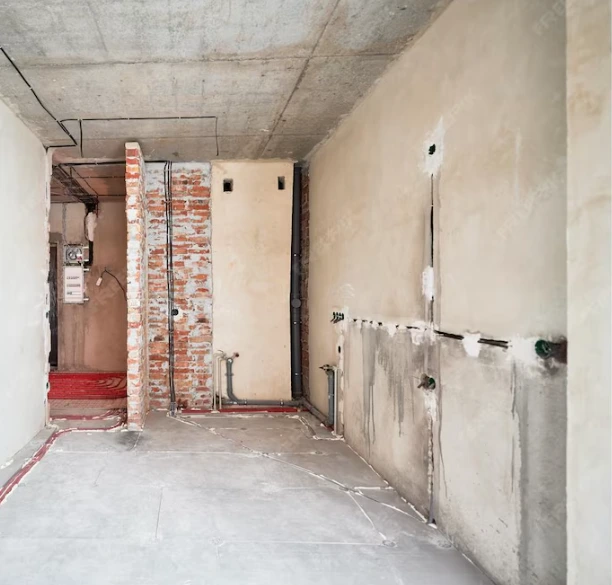
The brief, access constraints, sequencing needs, and likely trade dependencies are easier to control before the site is opened up.

Handover works better when snagging, final checks, and presentation are treated as planned parts of delivery, not squeezed in at the end.
If the renovation is still being defined, we can review the scope, highlight likely coordination points, and help frame the next practical step before pressure builds on site.
When rooms, finishes, and practical constraints are not defined early, the programme becomes harder to control.
Trades work better when dependencies are considered before site pressure starts to build.
Snagging, presentation, and final checks should be planned into delivery rather than squeezed in at the end.